American Flag
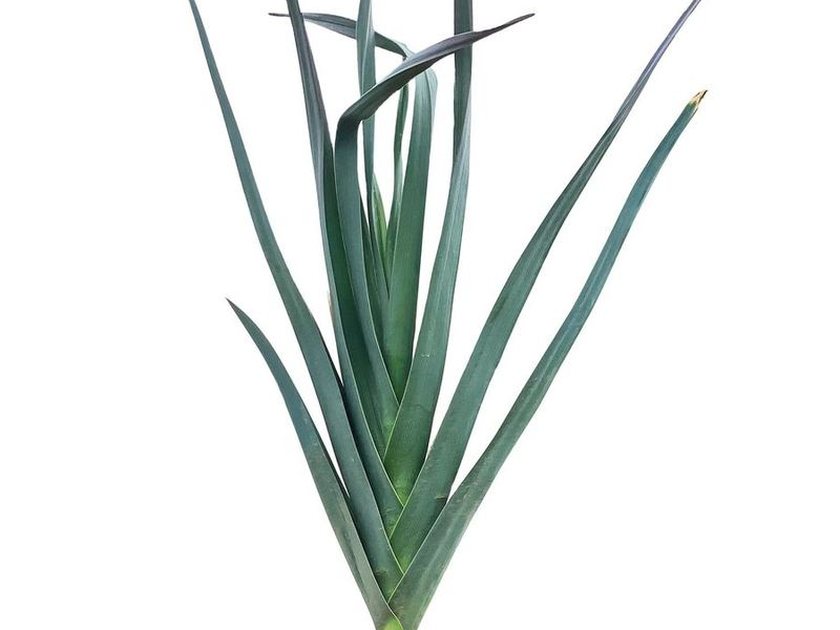
A long, thick white shank with a sweet onion flavour. Earth up as it grows to blanch more of the stem.
- Plains
- Sep-Nov nursery
- Hills
- Mar-Apr nursery
Exotic and European vegetable seed for sowing. Each listing gives its plains and hills sowing months, germination period, spacing and days to harvest.
120-140 days
A long, thick white shank with a sweet onion flavour. Earth up as it grows to blanch more of the stem.
45-50 days
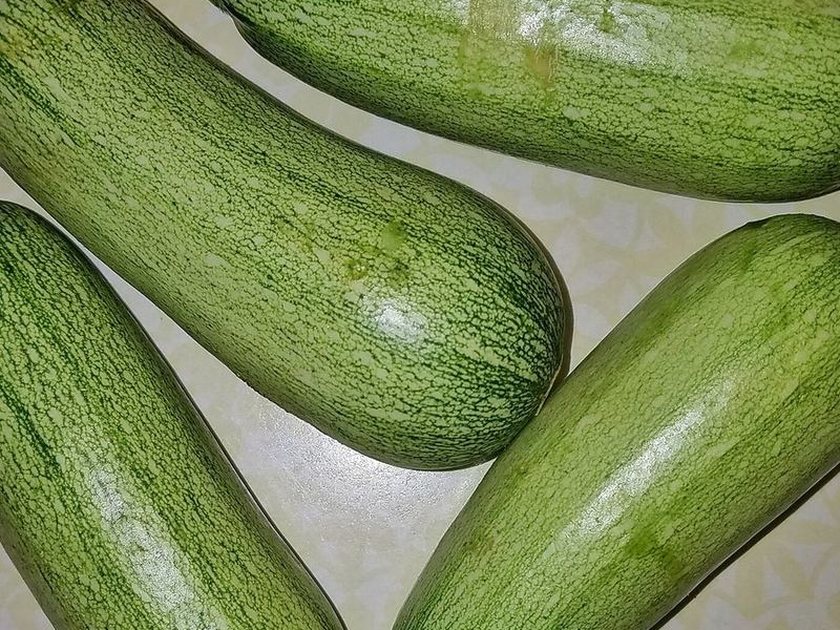
The mid-green bush zucchini most widely grown in India. Heavy-bearing and forgiving of a warm spell.
80-90 days
Escarole: broad, smooth leaves, less bitter than frisée and good wilted into soup. The easier endive to grow.
45-55 days
Glossy, near-black courgettes on a compact bush plant. Pick them at 15-20 cm and pick often; a missed fruit turns into a marrow.
35-40 days
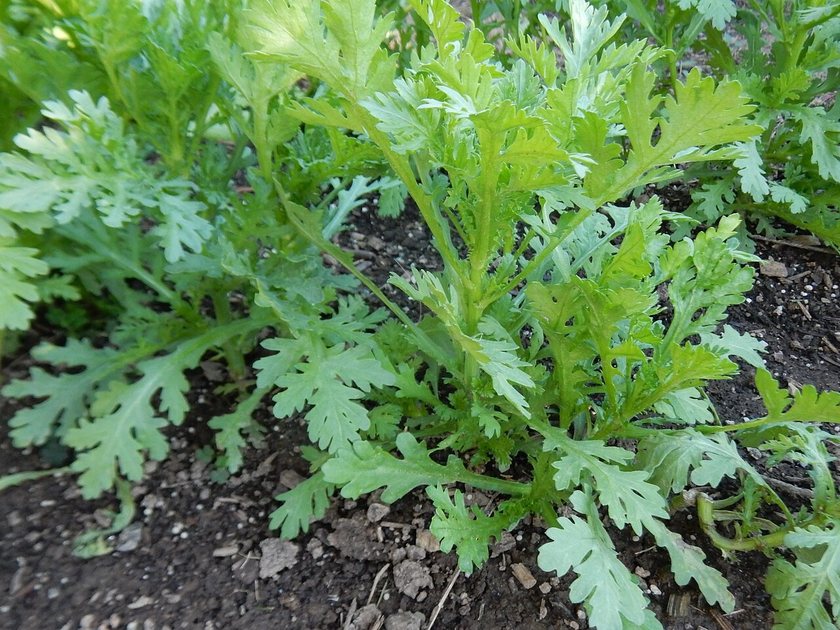
Edible chrysanthemum. Aromatic leaves for hot pots and salads, with pretty yellow flowers if you let a few plants go.
50-60 days
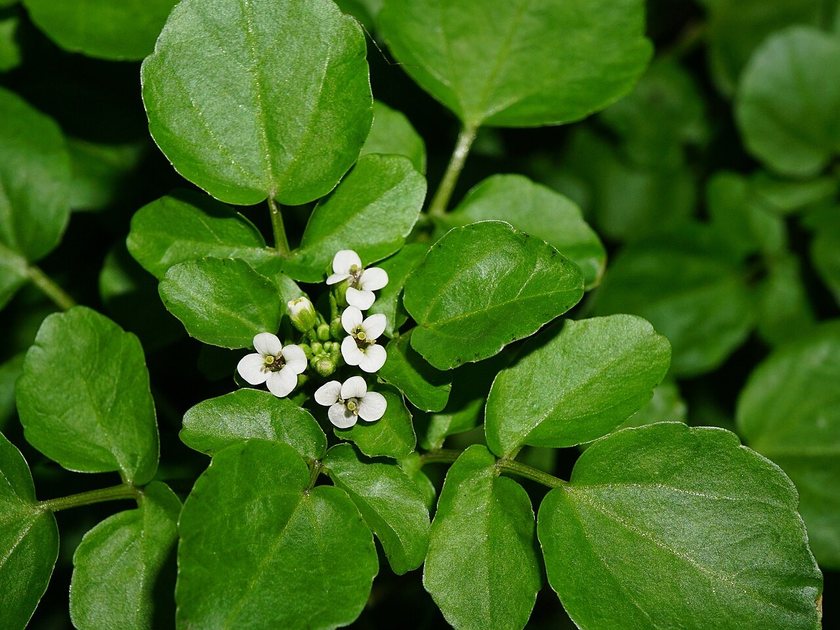
Peppery, glossy leaves that grow best in constantly wet soil. Try a tray standing in water, or the edge of a water tank.
80-90 days
The classic Italian sprouting broccoli. After the central head is cut, it keeps producing small side shoots for weeks.
50-60 days
Broad, dark, savoyed leaves on thick white ribs. Pick the outer leaves and it keeps going all winter. It handles heat better than spinach.
120-150 days
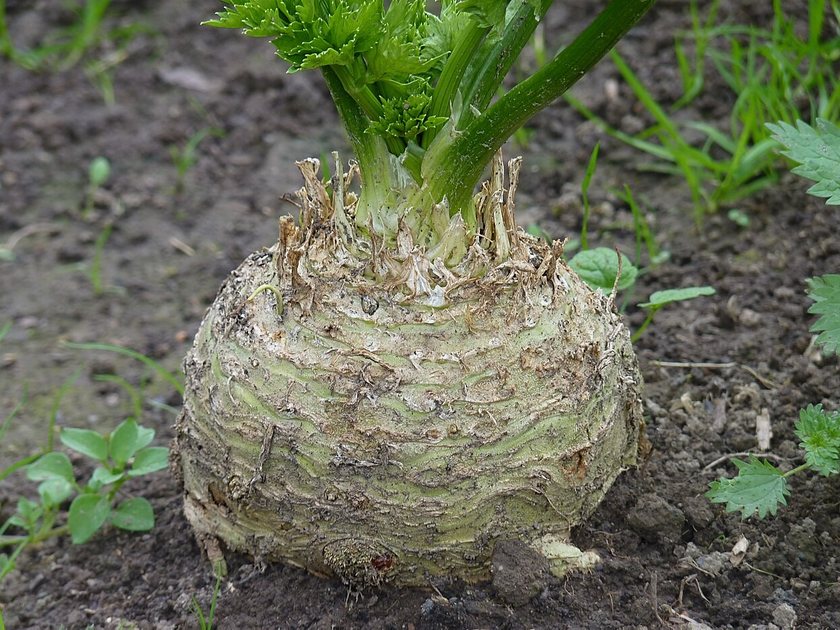
A knobbly root with a clean celery flavour, for mash, soup and remoulade. Slow to start, then trouble-free.
50-55 days
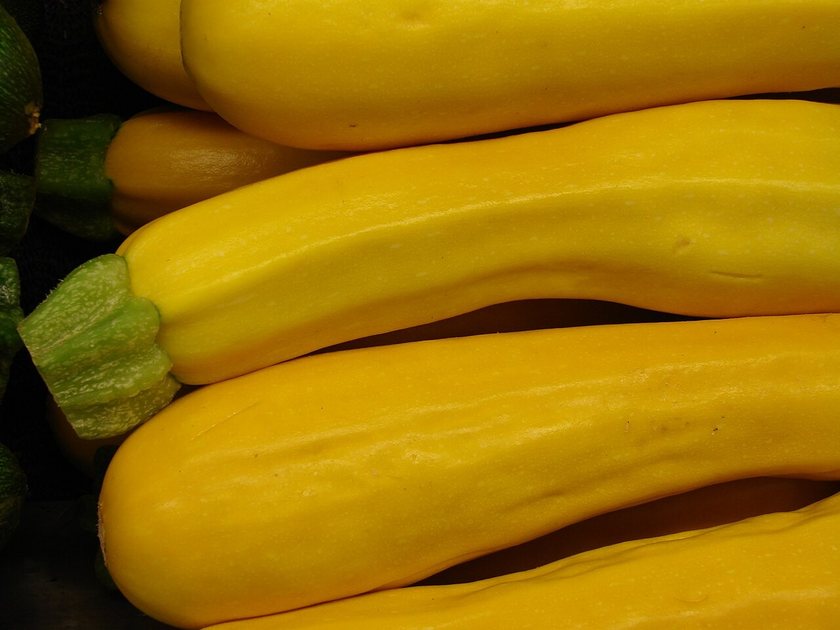
Bright yellow cylindrical courgettes that are easy to spot under the leaves. The flavour is the same as green zucchini, with more colour on the plate.
80-90 days
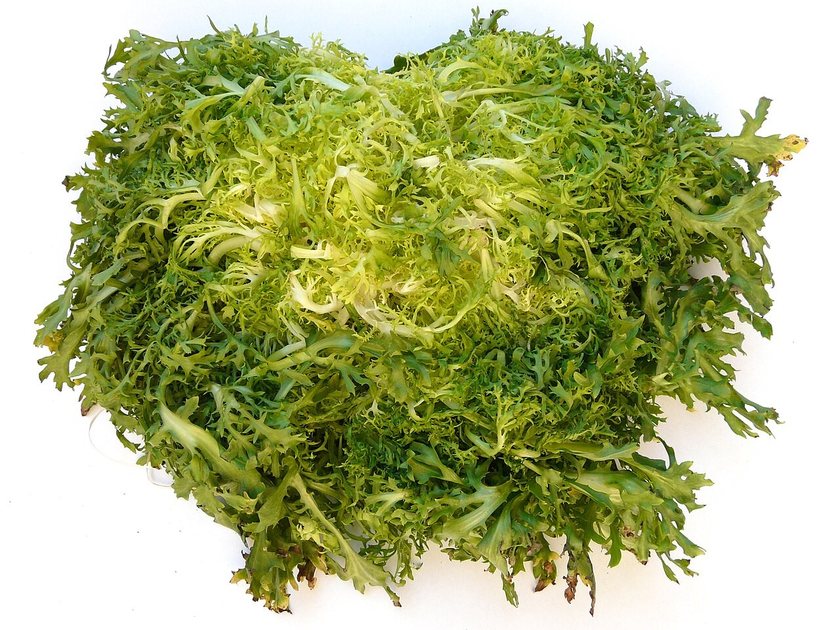
Frilly, finely cut frisée with a pleasant bitterness. Tie the head up for the last ten days to blanch a pale, sweeter heart.
150-180 days
Big, round, fleshy green heads on a silver-leaved plant. In the hills it is a perennial; in the plains, grow it as a long winter crop.
110-120 days
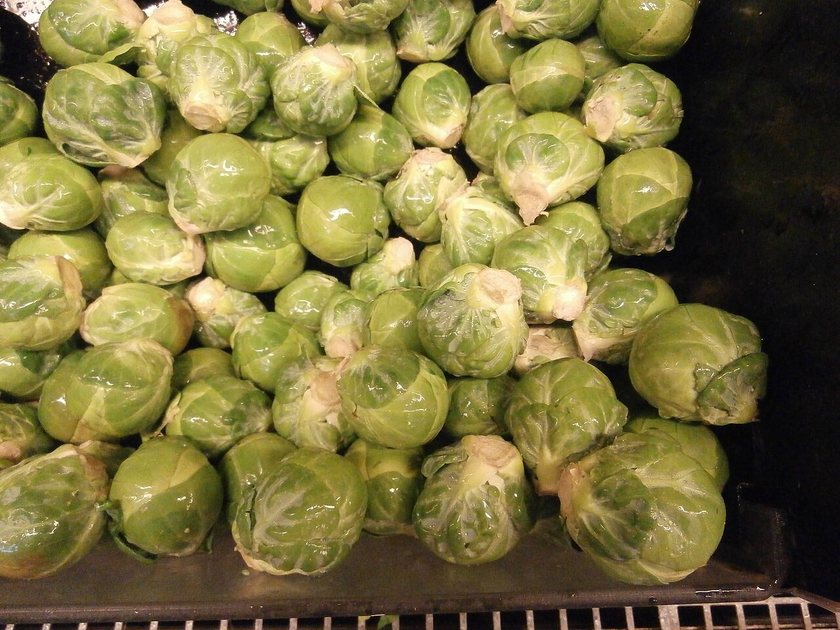
The Brussels sprout recommended for Indian hills and the coolest plains winters. Firm, round sprouts right up the stem.
110-130 days
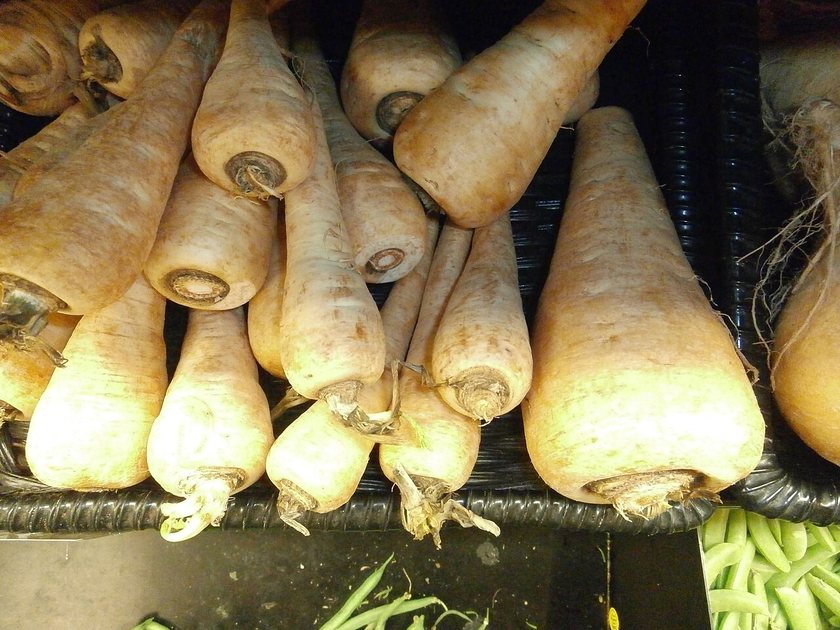
Long, white, sweet roots that sweeten further after the first cold snap. Always sow fresh seed; parsnip seed loses viability quickly.
120-150 days
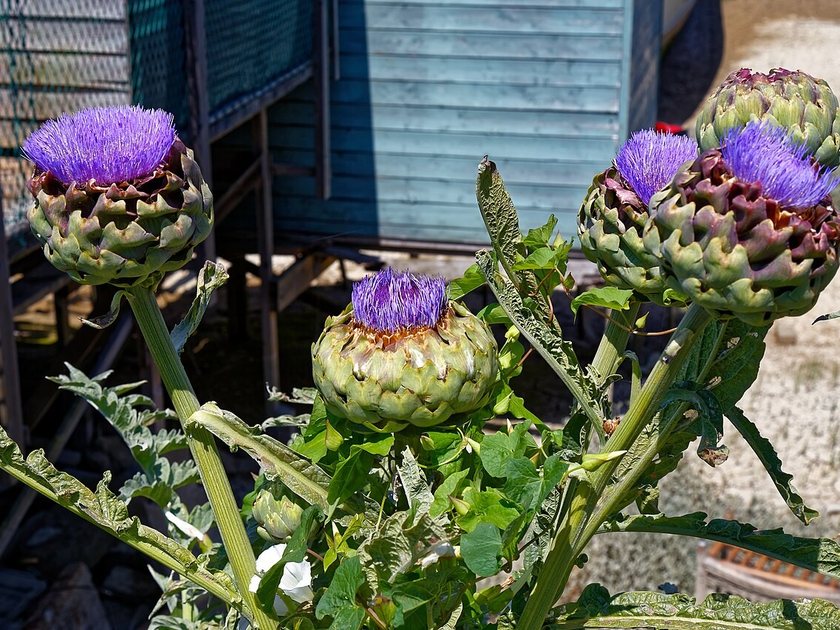
Bred to crop in its first year from seed, which makes it the artichoke to grow where winters are too short for Green Globe.
25-30 days to first cut
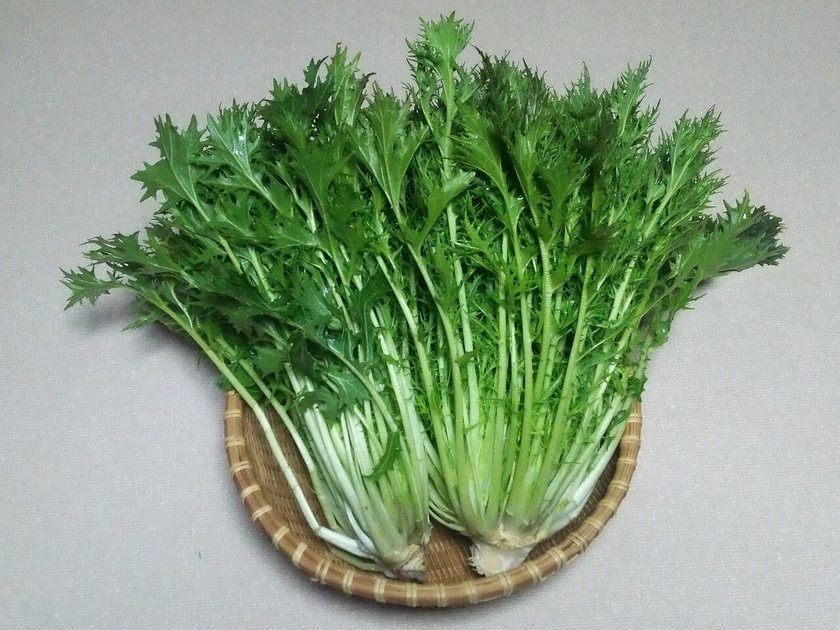
Japanese mustard with finely cut, feathery leaves and a mild peppery bite. Cut it and it comes again three or four times.
60 days to first pick
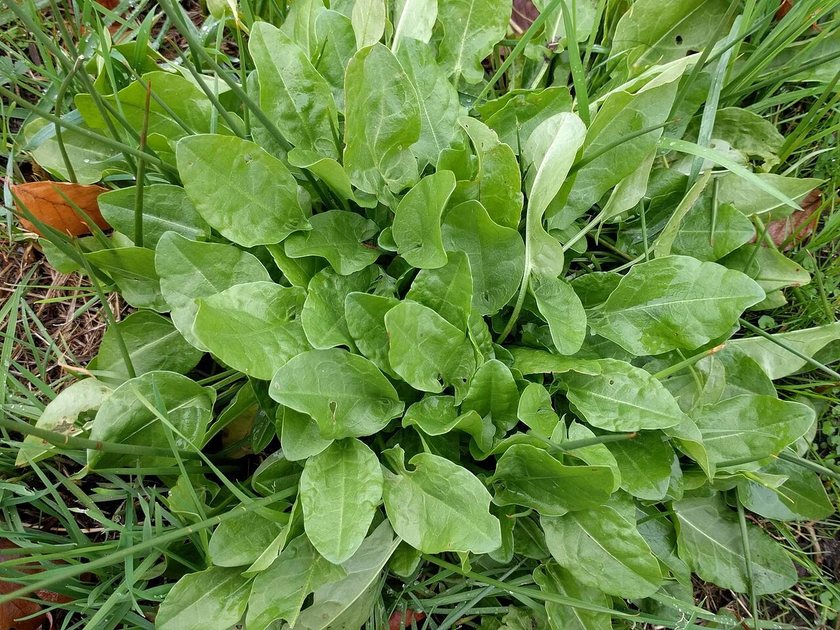
A sharp, lemony perennial leaf for sauces, soups and salads. Once it is established, it keeps cropping for years.
100-120 days
An early leek that bulks up quickly. The better choice where the cool season is short.
100-110 days
A compact, heavy-cropping heirloom that suits a smaller bed. It needs real cold to make tight sprouts.
120-150 days
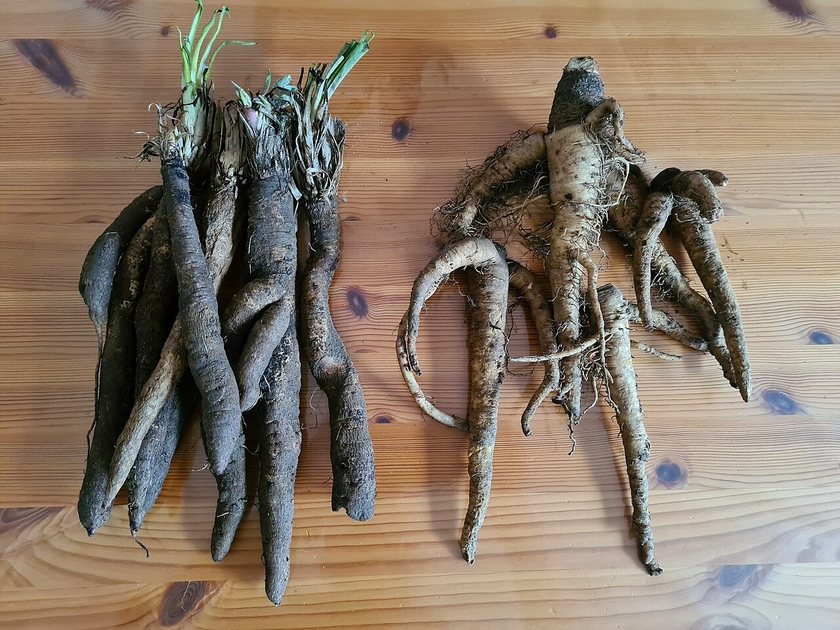
The oyster plant: a slender cream root with a mild, oyster-like flavour. It needs deep, loose soil to grow straight.
2 years to first cut
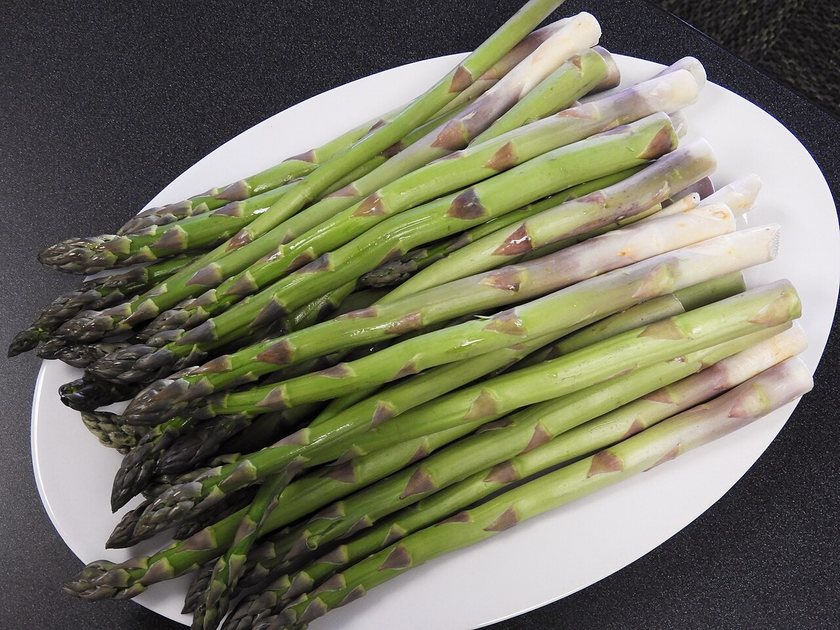
The standard green asparagus. Raise crowns from seed in the first year, then cut spears for ten years or more from the same bed.
70-80 days
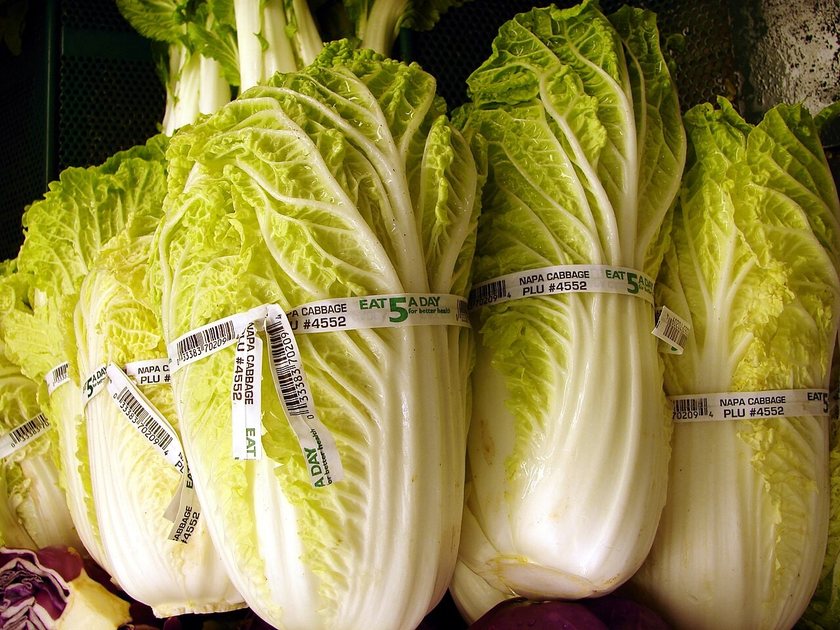
A tall, cylindrical napa cabbage with crisp pale hearts. Good for kimchi, and it stands in the field longer than round types.
85-90 days
A CSK HPKV release with a firm, compact green head and good side-shoot regrowth after the main cut. Proven in Indian plains winters.
90-100 days
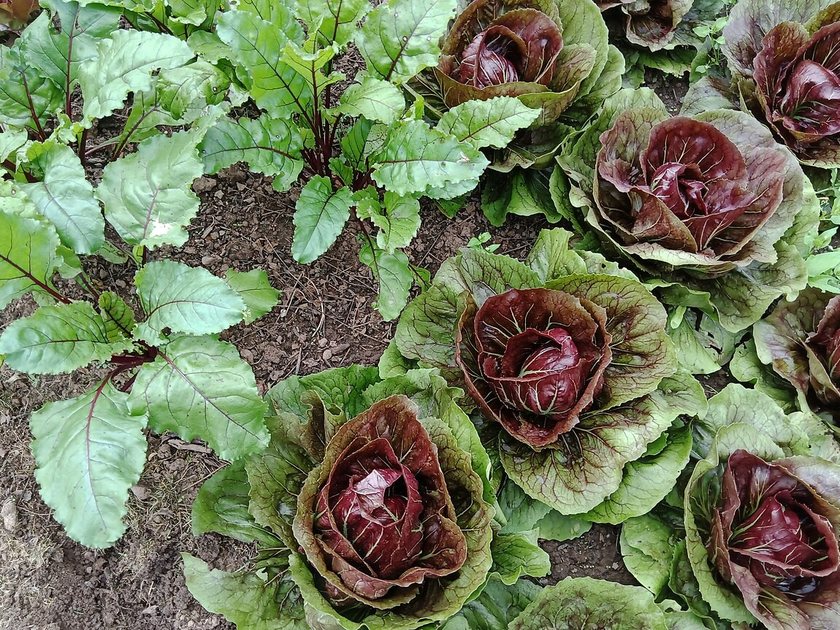
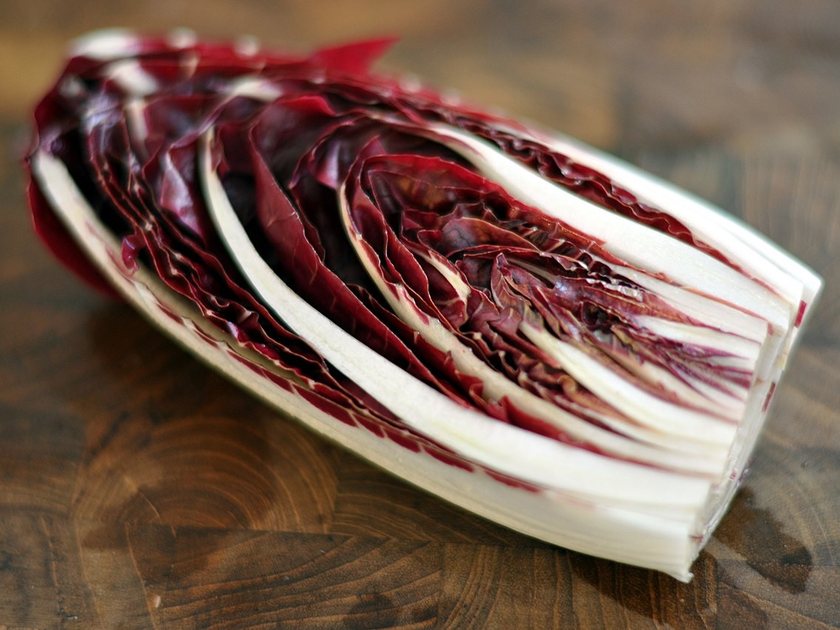
The round red Chioggia radicchio: white-ribbed, wine-red, tight heads. The red colour deepens as the nights get cold.
2 years to first cut
A vigorous green asparagus that has been grown in Indian hill gardens for decades. Thick, tight-tipped spears.
90-95 days
An IARI Katrain selection bred for Indian conditions: a medium, dome-shaped green head with a short, tender stalk.
50-60 days
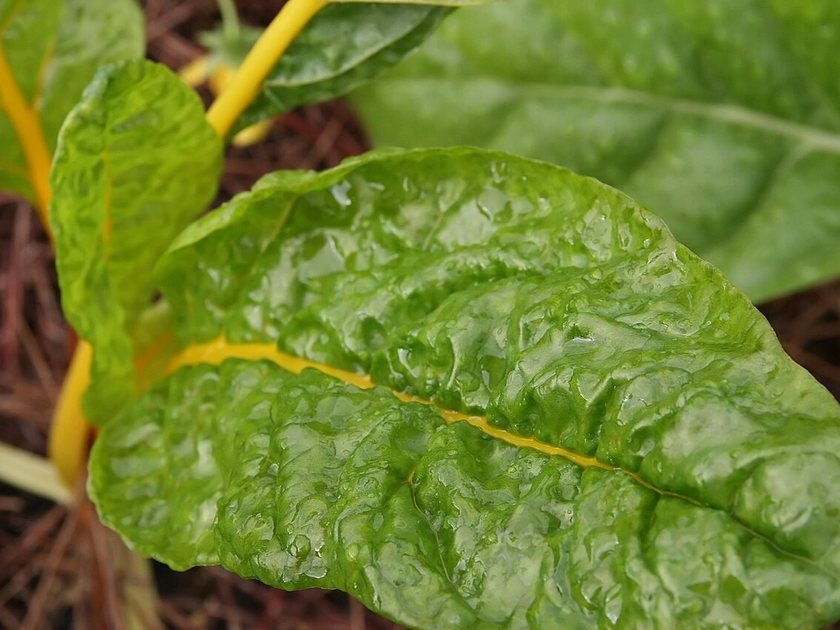
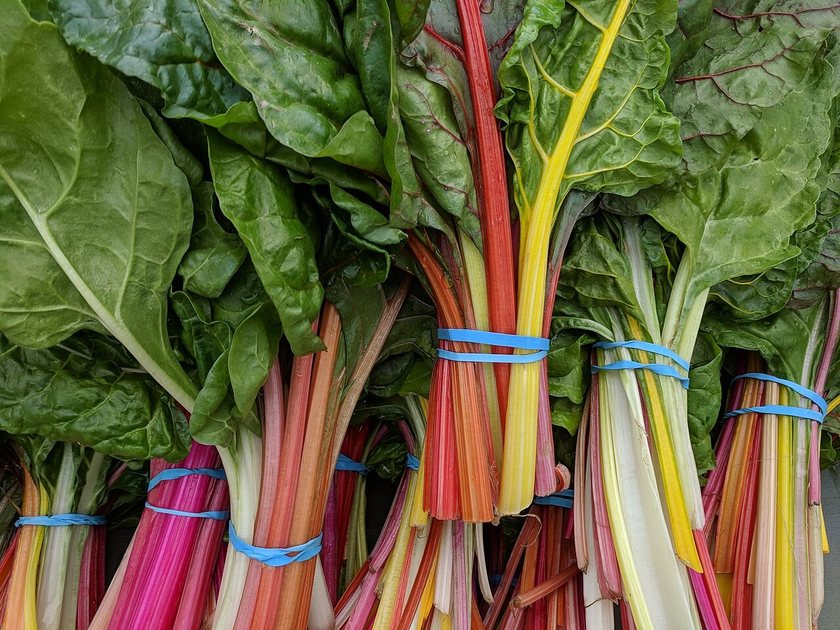
A mix of red, gold, pink and white stems. It is ornamental enough for a front bed and cooks exactly like green chard.
100-110 days
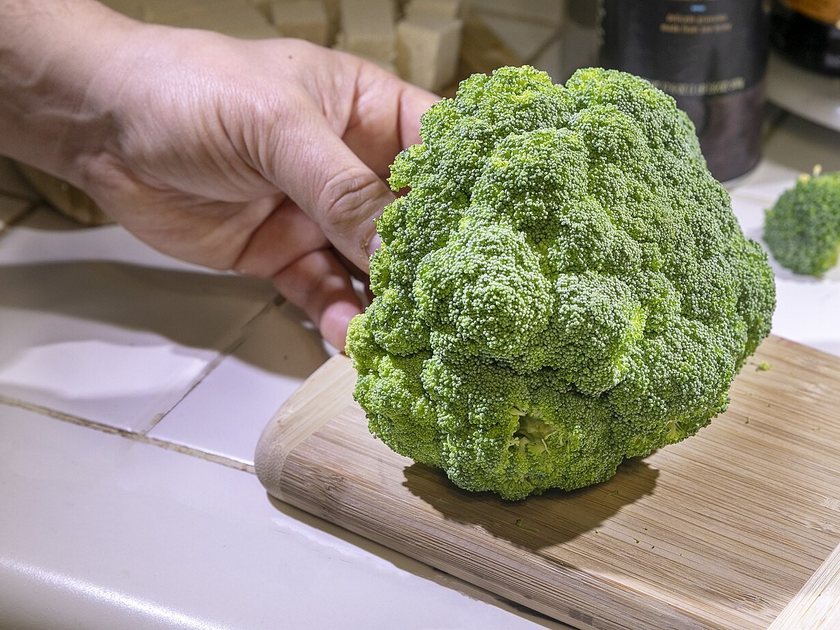
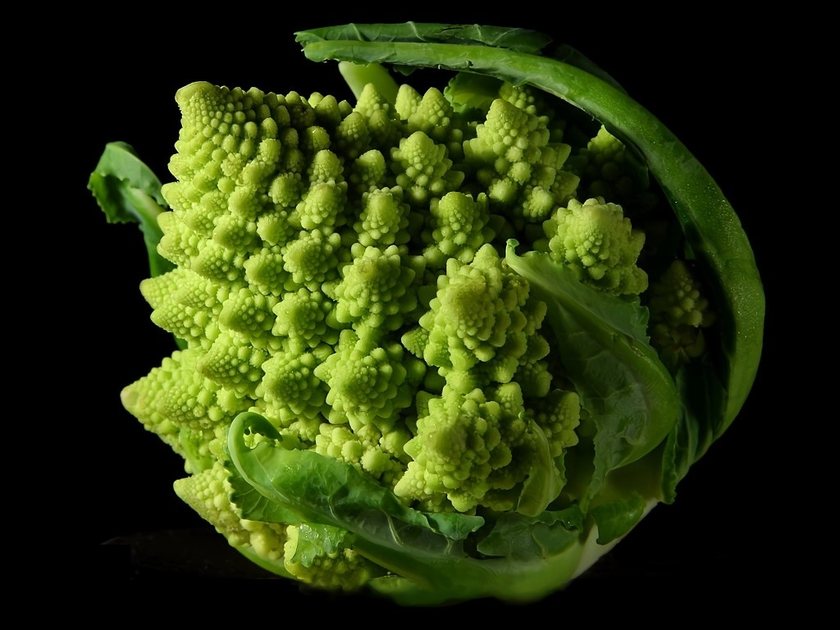
Lime-green spiralled heads, milder and nuttier than broccoli. Needs a long, steady cool spell, so sow it at the start of the window.
40-45 days
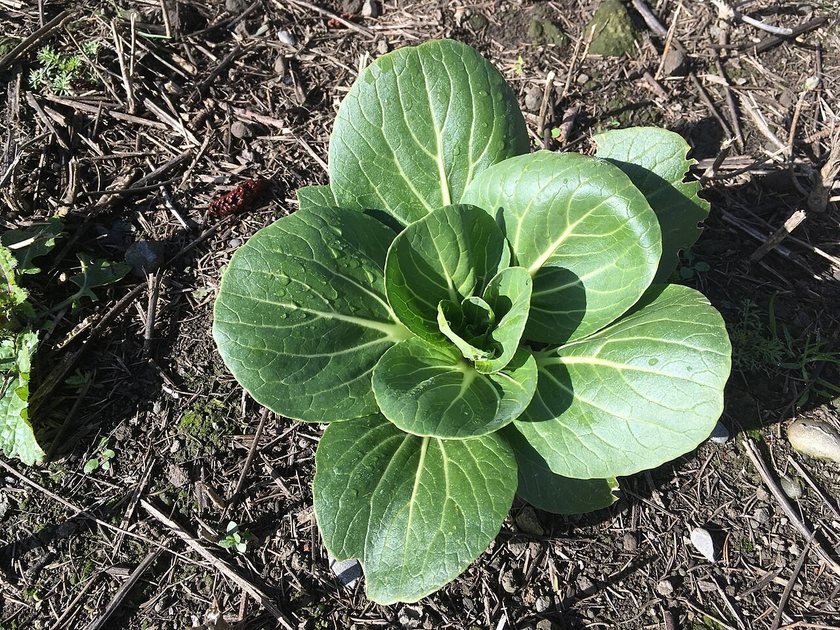
Glossy dark spoon leaves in a flat rosette. Mild, tender and very cold-hardy, as good raw as it is stir-fried.
90-100 days
Long, upright red leaves with bright white ribs, for grilling or eating raw. The early Treviso, so it heads without a forcing step.
35-40 days
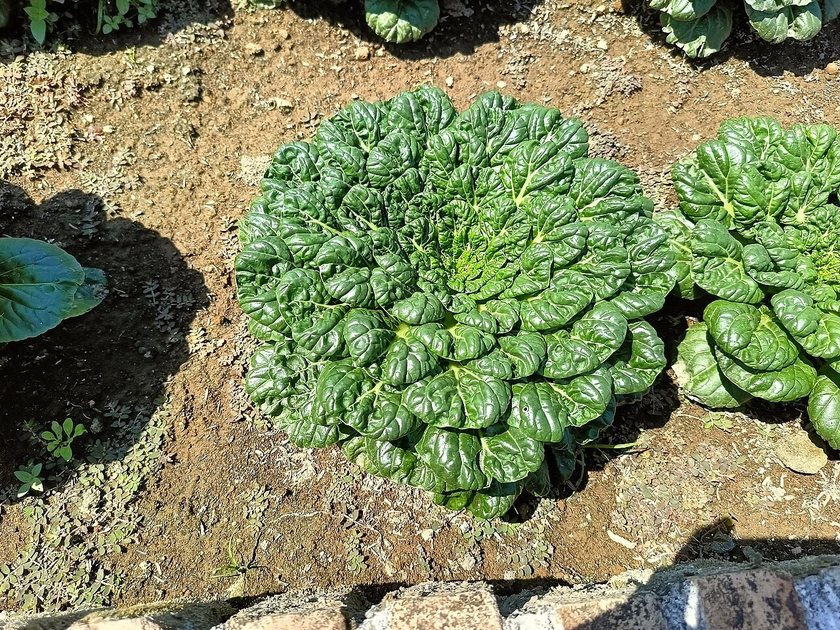
Jade-green stems and a compact head. Easier than white-stem types, and better for a pot or a balcony bed.
1 year to first pull
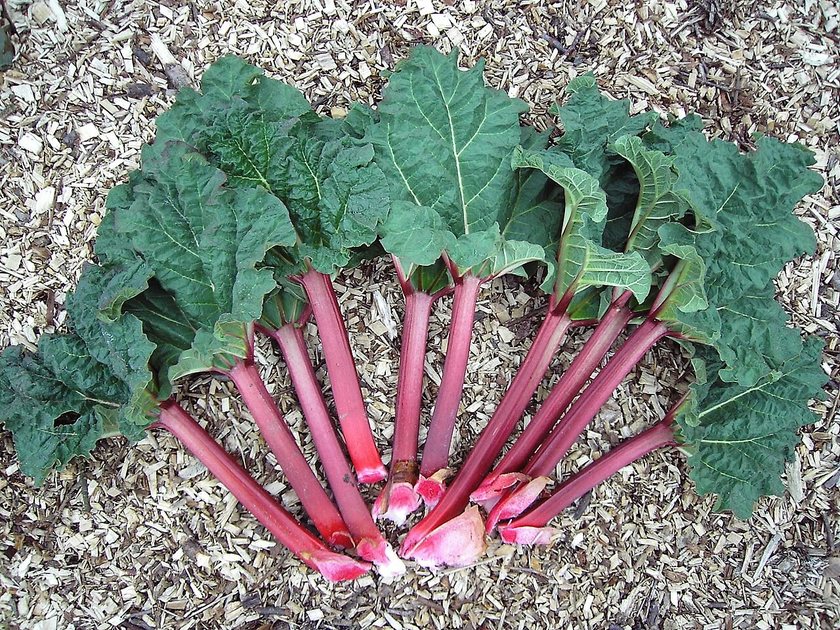
Thick, sweet red-green stalks for crumbles and chutney. A hill-garden perennial; the first pull comes in its second season.
40-45 days
Thick white stems under dark spoon-shaped leaves. Cut the whole head at five weeks or pick leaves as you need them.
65-75 days
A barrel-shaped napa with a dense, sweet heart. Quicker to head than Michihli, so sow it later in the window.